

 EN
EN  DE
DE  ZH
ZH  ES
ES Why High-Voltage Semiconductors Boost Rail Traction Efficiency
Discover why rail traction systems adopt high-voltage semiconductors for improved efficiency reduced weight and enhanced power density in railway propulsion.

Why are rail traction systems driving the shift to high-voltage semiconductors? The answer lies in the fundamental demands of modern rail propulsion: higher power density, improved energy efficiency, and stringent thermal management within constrained spaces. Moving from legacy 1.5kV DC architectures to 3.3kV or even 6.5kV DC links enables a radical reduction in current, cutting resistive losses while slashing system weight. But this evolution hinges on deploying robust high-voltage power semiconductor modules—like IGBTs and Silicon Carbide (SiC) devices—engineered to handle harsh rail environments and ensure long-term reliability. For engineers and procurement leaders focused on precision and lifecycle value, understanding these trade-offs is critical. This post dives into why the future of rail electrification is inseparable from advances in high-voltage semiconductor architectures.

The Physics of Efficiency: Reducing System Losses
Current vs. Voltage Trade-off
Rail traction power electronics design fundamentally balances current and voltage to optimize efficiency. Increasing system voltage reduces current for the same power level, directly lowering resistive losses (I²R losses) throughout the traction power path. This principle drives the shift toward high-voltage DC link architectures, commonly operating at 3.3kV or 6.5kV with advanced power semiconductor modules, to improve overall system efficiency.
Minimizing I²R Losses
I²R losses in cables, connectors, and passive components represent a significant source of inefficiency in railway propulsion systems. By operating at higher voltages, the current decreases and resistive losses reduce quadratically. This not only enhances energy conversion efficiency but also reduces heat dissipation requirements, aiding thermal management in rail applications. The consequence is a more robust traction converter and extended component lifespan under the EN 50155 railway standards.
Catenary to Converter
The energy transfer from the overhead catenary system to the traction converter benefits directly from high-voltage semiconductor integration. High-voltage modules enable direct interfacing with the 3kV or 6.5kV catenary system voltage levels, minimizing the number of intermediate voltage transformation steps. This reduces stray inductance and conduction losses while simplifying power module integration. The result is a more compact, reliable, and efficient rolling stock electrification scheme, optimizing power density and reducing total lifecycle costs.
Emphasizing the current-voltage trade-off in high-voltage DC link architecture is essential for reducing system losses and increasing overall traction converter efficiency in heavy haul locomotive power systems.
Weight Reduction and Power Density Optimization
As rail traction power electronics move toward high-voltage semiconductors, weight reduction and power density optimization take center stage. Higher operating voltages allow the use of smaller passive components like capacitors and inductors. This passive component shrinkage directly reduces the physical size and weight of traction converter modules, easing the space constraints typical in rolling stock designs.
Shrinking these components isn’t just about fitting everything in a tight loco shell. It improves overall system-level design by lowering stray inductance and enhancing thermal management. Compact high-power semiconductor modules lead to more efficient layouts that boost power density without compromising system reliability.
This approach aligns perfectly with the current trends in railway propulsion systems, where power module integration and electrical isolation must meet strict EN 50155 standards. Optimized power density also supports lighter electric trains, helping operators reduce energy consumption and lifecycle costs while improving train performance.

For example, deploying high-voltage modules like 1700V IGBT power modules can provide the right balance of compact size and high power output essential for modern traction inverters. It’s a critical step in meeting the evolving needs of the U.S. rail market for efficient, reliable, and space-friendly power semiconductor solutions.
Semiconductor Technologies: IGBTs vs. SiC in High-Voltage Rail
When it comes to rail traction power electronics, silicon IGBTs (Insulated Gate Bipolar Transistors) have long been the workhorse. These 3.3kV and 6.5kV IGBT modules offer proven reliability, mature manufacturing, and strong performance for heavy haul locomotive power systems. They handle the high breakdown voltages required in high-voltage DC link architecture and maintain robust traction converter efficiency, making them a staple in railway propulsion systems.
However, Silicon Carbide (SiC) MOSFETs are rapidly emerging as the challenger in this space. SiC traction inverters provide several key advantages:
- Higher power density enabling lighter, more compact traction converters
- Lower conduction and switching losses that improve overall system efficiency
- Better thermal management thanks to reduced heat generation and higher temperature tolerance
These thermal benefits mean SiC power modules can operate under harsher environments with less extensive cooling systems—a huge plus given the space constraints and reliability demands in rolling stock electrification trends.
Despite the higher upfront cost, the lifecycle cost analysis increasingly favors SiC modules as they boost power module integration and system-level design considerations for long-term reliability and performance. For those interested in a detailed comparison, HIITIO provides a thorough cost vs. performance analysis of SiC modules as well as advanced 1200V SiC power modules ideal for high-voltage rail traction applications.
In short, the shift from Si IGBTs to SiC MOSFETs represents a crucial step forward for rail traction power electronics—offering a balance between proven technology and next-gen innovation focused on efficiency, power density, and thermal management.
Engineering Challenges: Reliability and Isolation
When it comes to rail traction power electronics, reliability and isolation are critical engineering challenges. High-voltage semiconductor modules must maintain strict insulation and clearance standards to prevent electrical breakdown, especially around the 3.3kV and 6.5kV IGBT modules commonly used in traction converters. Meeting these requirements ensures compliance with rigorous railway standards like EN 50155, offering protection against voltage spikes and preventing stray inductance issues.
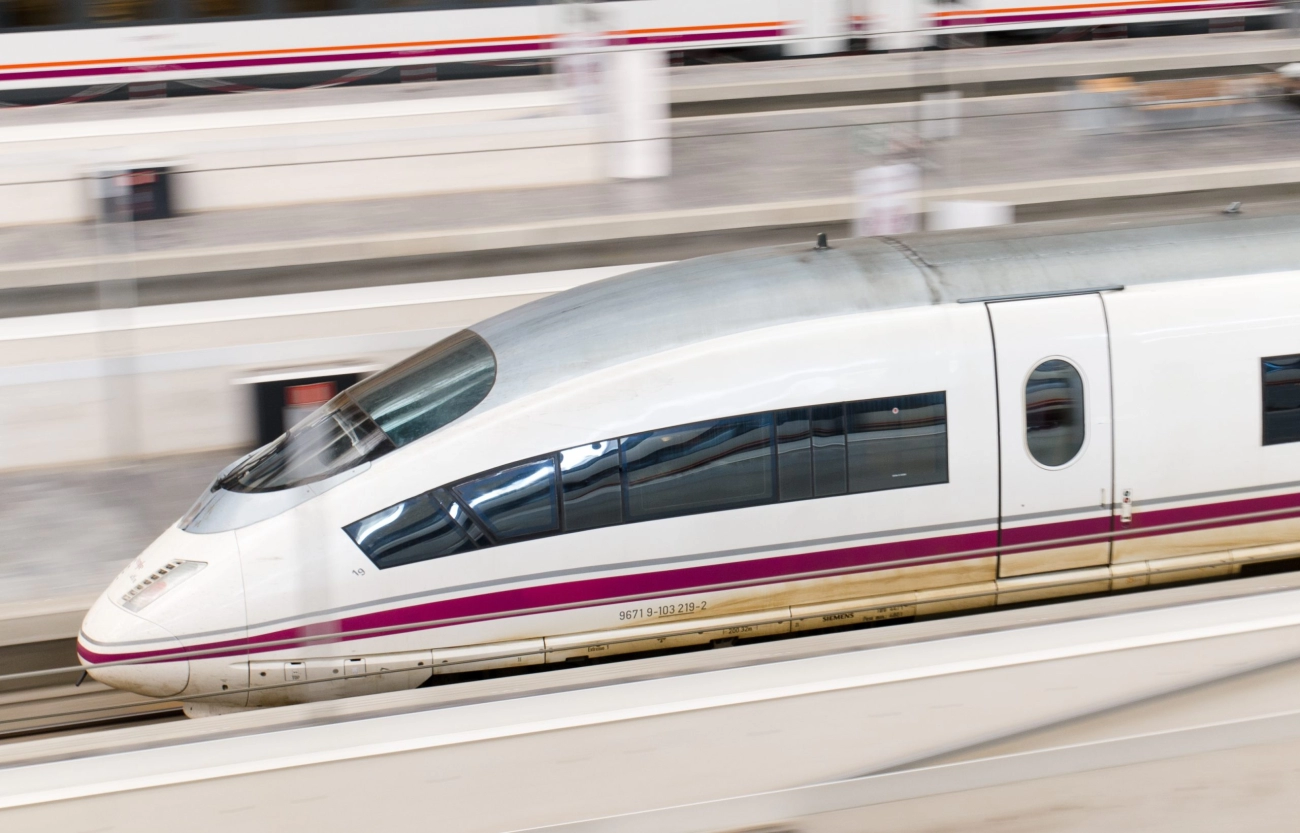
Rail environments are notoriously harsh—extreme temperatures, vibration, moisture, and electrical noise all threaten system stability. Designing power electronics that endure these conditions without degradation is essential for long-term reliability and minimizing failure modes in rolling stock electrification systems.
Preventing failure isn’t just about robust components. It involves thorough reliability engineering, including system-level design considerations for electrical isolation and thermal management, as well as lifetime performance evaluation under thermal cycling stress. Effective isolation techniques reduce the risk of short circuits and component breakdown, improving traction motor control strategies and overall system robustness.
At the heart of solving these challenges, products like HIITIO’s high-voltage power modules—featuring optimized gate driver integration and enhanced insulation—support reliable, safe, and efficient railway propulsion systems. Explore options such as the 1700V 1200A IGBT module designed with reliability and isolation in mind to meet demanding rail traction power needs.
The Business Case: TCO and Lifecycle Costs
Beyond the BOM
When it comes to rail traction power electronics, the initial bill of materials (BOM) tells only part of the story. True cost insights emerge when we look beyond upfront prices. Investing in high-voltage semiconductor modules, such as advanced 3.3kV/6.5kV IGBT modules or Silicon Carbide (SiC) traction inverters, can reduce operational expenses over time. These power semiconductor solutions enable better system efficiency optimization, cutting energy waste and lowering utility bills on heavy haul locomotive power systems.
Lifecycle Cost Analysis
A thorough lifecycle cost analysis helps rolling stock manufacturers and system integrators weigh the trade-offs between upfront costs and long-term savings. High-voltage DC link architecture benefits from semiconductors that reduce thermal management demands and improve system robustness, decreasing maintenance frequency and downtime. Factoring in costs like thermal cycling performance and reliability validation shows that quality modules may cost more initially but deliver greater value through extended lifetime performance evaluation.
Hidden Engineering Costs
Hidden engineering costs often slip under the radar in rail traction power electronics projects. Design for reliability, electrical isolation, and power module integration require sophisticated engineering expertise, which can increase design and testing budgets. Failing to account for these can lead to expensive failures and extended validation cycles, impacting total cost of ownership (TCO). Sourcing components from reliable power module suppliers with proven quality management systems (QMS) and long-term supply capability can proactively reduce these risks and related costs.
Choosing high-voltage semiconductor solutions wisely not only aligns with stringent EN 50155 railway standards for compliance and certification but also supports sustainable, cost-effective railway propulsion system upgrades.
Explore high-performance options like the 4500V 3000A IGBT module with press-pack package designed specifically for demanding rail traction power electronics applications.
Strategic Sourcing: Evaluating High-Voltage Module Suppliers
Selecting the right high-voltage semiconductor supplier is critical for OEMs working in rail traction power electronics and railway propulsion systems. Key criteria for OEMs include product reliability, consistency in production, and strong engineering support capabilities. High-power semiconductor modules must meet demanding standards like EN 50155 for rail applications, ensuring long-term reliability and thermal cycling performance.
At HIITIO, we understand these challenges deeply. Our commitment to quality assurance and innovation is evident through our portfolio of advanced modules, including high-voltage IGBT modules and cutting-edge Silicon Carbide (SiC) traction inverters. By focusing on system-efficient power module design and providing reliable engineering and sourcing support, HIITIO empowers rail traction power electronics manufacturers to achieve superior system-level design considerations with minimized risk.
Explore HIITIO’s 62mm 1200V 450A IGBT power modules and 1200V 100A IGBT power modules to see how we combine quality, efficiency, and supply security for your next rail traction project.


