

 EN
EN  DE
DE  ZH
ZH  ES
ES What Is Partial Discharge in High Voltage Power Modules Expert Guide
Learn about partial discharge in high voltage power modules, its causes, detection, and prevention strategies to ensure reliability and safety in power systems.

Understanding partial discharge in high-voltage power modules is essential for ensuring their reliability and safety. If you’re working with or designing these systems, you know that even tiny insulation flaws can lead to major failures over time. In this guide, you’ll discover what partial discharge really is, why it matters, and how industry leaders like HIITIO are developing advanced solutions to detect and prevent it. Stay tuned—this knowledge could be the key to extending the lifespan of your power modules and avoiding costly downtime.

What Is Partial Discharge in High Voltage Power Modules?
Definition of Partial Discharge in High Voltage Systems
Partial discharge (PD) is a localized electrical breakdown that occurs within the insulation system of high voltage power modules. Instead of a complete electrical failure, PD involves tiny sparks or ionization pockets that happen inside the insulation material or on its surface. These small electrical events are often invisible but can cause significant damage over time.
How Partial Discharge Happens in Power Modules
In high voltage power modules, partial discharge occurs when the electric field exceeds the local dielectric strength of the insulation. This can happen due to:
- Voids or air pockets within the insulation material
- Surface imperfections or contamination
- Design flaws that concentrate the electric field
When these conditions are present, tiny electrical sparks form, leading to partial discharge. Over time, these discharges weaken the insulation, increasing the risk of insulation breakdown.
Types of Partial Discharge
Understanding the different types of partial discharge helps in diagnosing and preventing insulation failure:
- Internal Partial Discharge: Occurs inside the insulation material, often caused by voids or impurities.
- Surface Partial Discharge: Happens along the surface of the insulation, usually due to contamination or surface degradation.
- Corona Discharge: A type of partial discharge that occurs around sharp edges or points where the electric field is concentrated, often seen in high voltage conductors.
Recognizing these types is crucial for effective PD detection and maintenance in high voltage power modules.
Why Partial Discharge Matters
Partial discharge (PD) is a big deal when it comes to high voltage power modules. It may seem small at first, but over time, it can cause serious damage to insulation. When PD happens, tiny sparks or electrical discharges occur within the insulation material, gradually degrading it. This process can lead to insulation breakdown causes, which in turn, threaten the entire high voltage system’s safety and reliability.
One of the biggest concerns with partial discharge is how it damages insulation. These tiny discharges create micro-voids, cracks, and impurities inside the insulation material. As PD continues, these flaws grow, weakening the insulation and increasing the risk of insulation failure. For power modules, especially semiconductor power modules used in renewable energy systems or electric vehicles, this damage can significantly impact their reliability and lifespan.
Beyond equipment damage, partial discharge also poses safety risks. If insulation fails unexpectedly, it can cause electrical faults or even fires, putting personnel and equipment at risk. Additionally, PD-related insulation degradation leads to performance loss—such as reduced efficiency or unexpected downtime—which can be costly for industrial automation and power generation facilities.
In short, understanding and managing partial discharge is crucial to maintaining high voltage system safety, ensuring long-term power module reliability, and avoiding costly downtime. Regular PD testing and early detection are key to preventing these issues before they escalate.

Causes of Partial Discharge in Power Modules
Partial discharge in high voltage power modules often starts with manufacturing defects. Voids, cracks, and impurities in the insulation material create weak spots where electrical stress can concentrate. These tiny imperfections can develop into sites for partial discharge, gradually degrading the insulation over time. Ensuring high-quality manufacturing processes and thorough testing can help reduce these issues.
Aging and long-term insulation wear are also common causes. Over years of operation, insulation materials can deteriorate due to electrical, thermal, and mechanical stresses. This wear increases the likelihood of partial discharge, which can eventually lead to insulation breakdown if not detected early.
Environmental factors like temperature, humidity, and contamination play a significant role too. Elevated temperatures accelerate insulation aging, while moisture and dirt can create conductive paths on surfaces or inside the insulation. These conditions make it easier for partial discharge to occur, especially in high voltage power modules used in harsh environments.
Lastly, design flaws and poor material selection can contribute to partial discharge. Inadequate electric field control or choosing subpar insulation materials can create stress concentrations, leading to internal or surface partial discharge. Proper design and the use of high-quality, suitable insulation materials are crucial for preventing PD in power modules. For example, selecting advanced materials like silicon carbide (SiC) can improve insulation performance and durability, reducing the risk of partial discharge issues.
How to Detect Partial Discharge
Detecting partial discharge (PD) early is crucial for maintaining high voltage power modules and preventing insulation breakdowns. When PD is caught in its initial stages, it’s easier to fix before it causes serious damage, saving time and money.
Electrical Detection Methods
One common way to detect PD is through electrical testing. This involves measuring the high-frequency signals generated by partial discharge activity. Devices like high-voltage PD testers can pick up tiny electrical pulses that indicate insulation issues. These methods are reliable and widely used in power electronics reliability assessments, especially for semiconductor power modules.
Acoustic Detection Methods
Another effective approach is acoustic detection. When partial discharge occurs, it produces ultrasonic waves that can be picked up with specialized sensors. Acoustic PD detection is useful because it can locate the exact spot of insulation flaws, especially in complex power modules. This method is often used in field inspections for high voltage system safety.
Optical and Chemical Detection Methods
Optical detection involves using sensors that observe light emissions caused by PD activity, while chemical detection looks for byproducts like ozone or nitrogen oxides that form during partial discharge. These methods are less common but can be very sensitive, especially in research or laboratory settings.

PD Testing Standards and IEC 60270
To ensure consistency and accuracy, partial discharge testing follows established standards like IEC 60270. This international standard specifies how to perform PD measurements, interpret results, and ensure safety. Adhering to IEC 60270 helps manufacturers and engineers maintain high-quality insulation and improve power module reliability.
Early detection of partial discharge is key to avoiding costly downtime and extending the lifespan of high voltage power modules. Using a combination of electrical, acoustic, and optical detection methods, along with standardized testing protocols, helps keep systems safe and reliable.
How to Prevent Partial Discharge
Preventing partial discharge in high voltage power modules is crucial for ensuring insulation reliability and extending the lifespan of your equipment. Here are some key strategies:
- Use of high-quality insulation materials: Selecting the right insulation materials is vital. Materials with high dielectric strength and low impurity levels help minimize PD risks. For example, advanced silicone or epoxy-based insulations are often used to improve durability and reduce PD occurrence. You can explore power modules with robust insulation, like the 1700V 1200A IGBT module, which incorporate high-quality insulation layers.
- Design optimization for electric field control: Proper design reduces areas of high electric field concentration where partial discharge can initiate. Techniques like grading rings, optimized electrode shapes, and careful spacing help distribute electric stress evenly. This minimizes internal stress points that can lead to insulation breakdown.
- Manufacturing quality control and testing: Consistent quality checks during manufacturing catch defects such as voids, cracks, or impurities that could cause PD. Implementing partial discharge testing, following standards like IEC 60270, ensures each power module meets strict insulation integrity criteria.
- PD prevention in high voltage power module design: Incorporating design features that control electric field distribution and prevent localized stress points is essential. This includes choosing suitable materials, optimizing layout, and ensuring proper assembly. These steps help reduce the likelihood of PD and improve overall power module reliability.
By focusing on these strategies, we can significantly lower the chances of partial discharge, leading to safer and more reliable high voltage power modules.
Real-World Applications of Partial Discharge Detection
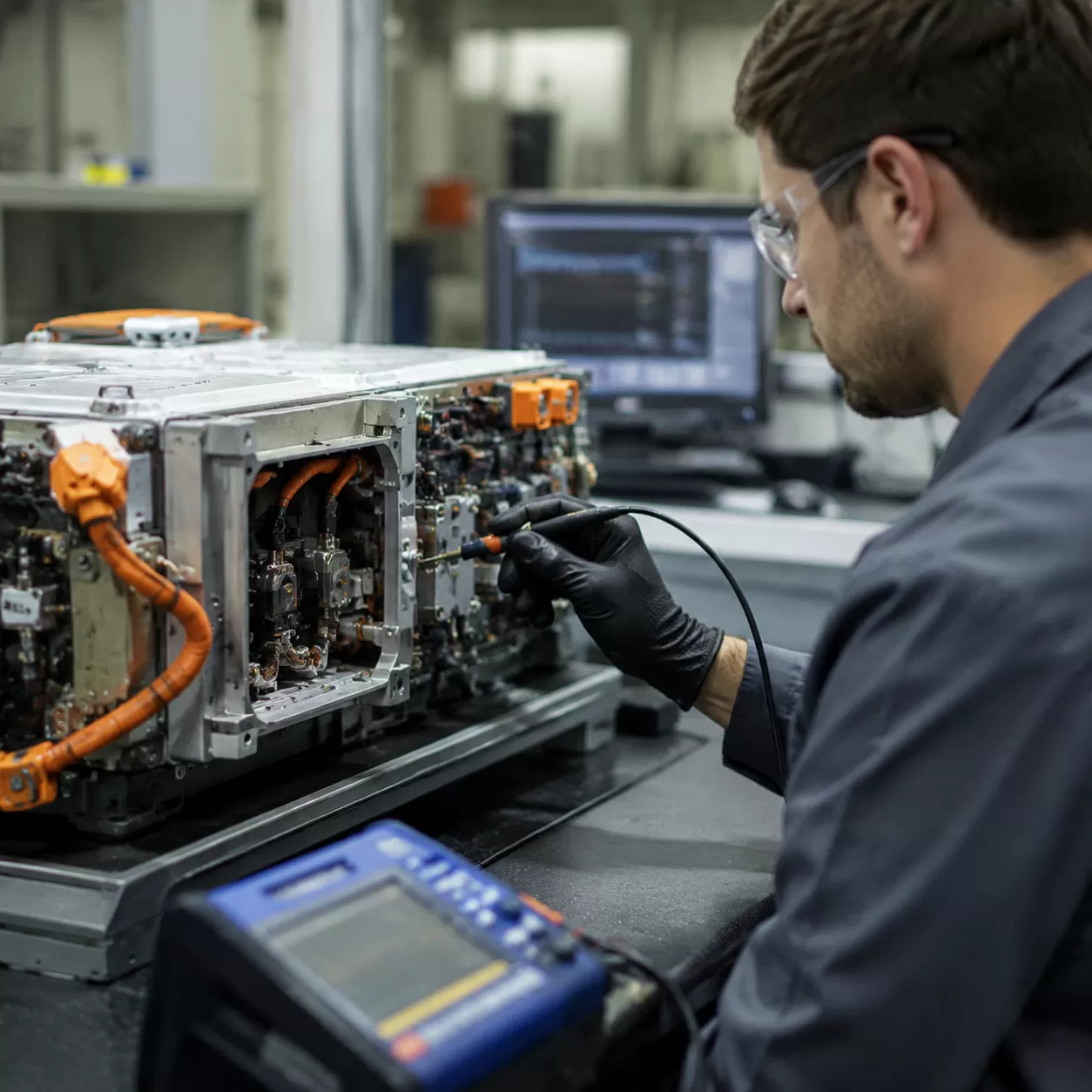
Partial discharge (PD) isn’t just a lab concept — it plays a big role in many real-world systems. You’ll see it in renewable energy setups, electric vehicles, and industrial automation. Detecting PD early helps prevent insulation breakdown and extends the lifespan of high voltage power modules.
In renewable energy systems like solar farms and wind turbines, PD can cause insulation failure in high voltage power modules, leading to costly downtime. Regular PD testing helps identify issues before they turn into major failures. Similarly, in electric vehicles, especially those with high-voltage battery packs and power modules, partial discharge detection ensures safe and reliable operation. For example, high-quality power modules are designed to handle these stresses, but monitoring PD is still key to avoiding unexpected breakdowns.
Industrial automation also relies heavily on high voltage power modules. Equipment used in manufacturing or heavy industry often operates under intense electrical stress, making PD detection crucial for maintaining system reliability. Case examples show that early PD detection and correction can prevent costly shutdowns and extend equipment life.
Overall, understanding and managing partial discharge in these applications is vital for safety, performance, and long-term reliability of high voltage systems.
Future Trends in Partial Discharge Management
The future of partial discharge (PD) management in high voltage power modules looks promising, driven by new technologies and smarter solutions. AI-based PD monitoring is becoming more common, allowing for real-time detection and prediction of insulation issues before they cause failures. This helps improve power module reliability and extend lifespan, especially in critical applications like renewable energy systems and electric vehicles.
IoT-enabled condition monitoring is also gaining traction. By connecting power modules to the internet, operators can track PD activity remotely, gather data over time, and schedule maintenance proactively. This reduces downtime and prevents costly insulation breakdowns caused by partial discharge.
Researchers are exploring new insulation materials and design improvements to better resist PD. These innovations aim to minimize insulation degradation effects and improve the overall safety and performance of high-voltage power modules. For example, advanced composite insulations and optimized electric field control techniques can significantly cut down the chances of partial discharge happening in the first place.
Finally, developing advanced reliability strategies for power electronics involves integrating these technologies into smarter, more resilient systems. Combining AI, IoT, and better materials will help us better prevent and manage partial discharge, ensuring safer, more reliable high voltage systems for the future. If you’re interested in how these trends can improve your power modules, check out our high-quality power modules designed with these innovations in mind.


