
 EN
EN  DE
DE  ZH
ZH  ES
ES High-Voltage SiC Applications in Aerospace Power Systems
Explore high-voltage SiC applications in aerospace power systems enabling high efficiency lightweight electric propulsion and advanced power electronics.

Why Silicon Carbide Excels in Aerospace Applications
When it comes to high-voltage SiC applications in aerospace power systems, Silicon Carbide (SiC) outperforms traditional silicon power electronics on several critical fronts. Engineers ask: Why choose SiC over silicon for aerospace? The answer lies in its superior material properties that align perfectly with aerospace demands.
SiC Material Advantages
- Wider Bandgap: SiC has a bandgap of about 3.26 eV compared to silicon’s 1.12 eV. This allows it to withstand higher voltages and temperatures.
- Higher Breakdown Voltage: SiC devices sustain voltages well beyond silicon’s limits, ideal for high-voltage aerospace systems.
- Superior Thermal Conductivity: SiC’s thermal conductivity (~4.9 W/cm·K) is roughly three times that of silicon, meaning better heat dissipation.
- Faster Switching Speeds: Enables higher-frequency operation, shrinking converter size and improving response time.
Top Benefits for Aerospace Power Systems
- Smaller, Lighter Power Converters: Higher efficiency and power density reduce size and weight—key for aircraft.
- Higher Operating Temperatures: SiC devices operate reliably at ambient temps above 200°C without bulky cooling.
- Lower Conduction and Switching Losses: Improve overall system efficiency, reduce cooling system complexity.
- Improved Efficiency at Elevated Voltages: Handles high voltages common in modern aerospace power architectures.
Comparing Si and SiC: Key Parameters for Aerospace
| Parameter | Silicon (Si) | Silicon Carbide (SiC) |
|---|---|---|
| Bandgap | 1.12 eV | 3.26 eV |
| Breakdown Voltage | ~600 V (typical MOSFET) | 1,200 V+ (available devices) |
| Thermal Conductivity | ~1.5 W/cm·K | ~4.9 W/cm·K |
| Switching Frequency | Up to 100 kHz | 100 kHz – 500 kHz+ |
| Power Density | Moderate | High |
| Max Operating Temp | ~150°C | 200°C+ |
SiC’s clear edge in these areas makes it indispensable for advanced aerospace power distribution and SiC in electric aircraft propulsion systems today—and tomorrow.
For US aerospace initiatives aiming at lighter, more efficient more electric aircraft power systems, integrating high-voltage SiC MOSFETs and SiC power modules helps boost reliability and performance under tough environmental conditions—all while supporting sustainability goals in aviation.
High-Voltage Requirements in Modern Aerospace Power Systems
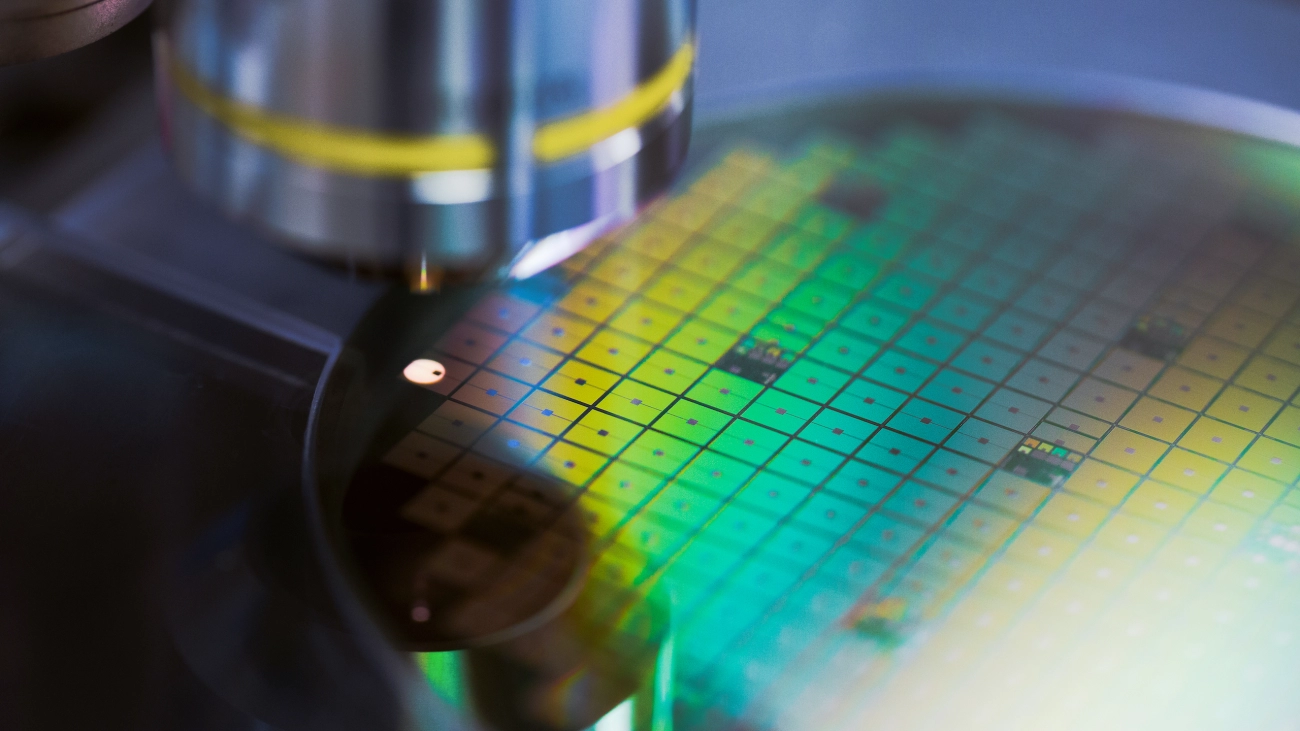
Aircraft electrical systems have rapidly evolved from traditional 28V or 270V DC buses to much higher voltages—like ±540V, 800V+, and even kilovolt (kV) ranges. This shift supports advanced distributed electric propulsion and other high-power aerospace systems.
Why Higher Voltages Matter
- Reduced current for the same power output, cutting conductor size and weight
- Lighter cabling improves overall aircraft weight and fuel efficiency
- Better efficiency in propulsion systems, actuators, and secondary power distribution
Key Drivers of High-Voltage Adoption
| Voltage Level | Advantages | Aerospace Application |
|---|---|---|
| 28V / 270V DC | Established standard | Legacy control systems |
| ±540V | Reduced current, lighter | Hybrid-electric propulsion platforms |
| 800V+ | Higher power density | Electrified environmental control systems |
| kV-range | High-power capability | High-power radar & mission systems (defense) |
Examples include hybrid-electric propulsion units, electrified environmental controls, and cutting-edge radar systems for defense aircraft. These systems demand power electronics that can handle high voltages efficiently—making wide bandgap semiconductors like Silicon Carbide power electronics essential in aerospace.
This rise in voltage stress and power density underlines why high-voltage SiC MOSFETs are increasingly necessary for next-gen aerospace power architectures.
Key Applications of High-Voltage SiC in Aerospace
High-voltage silicon carbide (SiC) finds critical use across several aerospace power systems, thanks to its superior electrical and thermal performance.
- Electric and Hybrid-Electric Propulsion: SiC-based inverters and motor drives power propulsors and generators with higher efficiency, enabling longer flight times and reduced fuel consumption in electric aircraft propulsion. These SiC inverters for aviation help achieve faster switching speeds and lower losses compared to traditional silicon.
- Power Distribution and Management: High-voltage DC-DC converters and solid-state power controllers rely on SiC to handle elevated voltages with greater power density. SiC devices also support fault-tolerant architectures required for aerospace safety and reliability, enhancing overall system resilience.
- Auxiliary and Secondary Power Systems: Lightweight SiC power supplies are increasingly used for avionics, actuators, and environmental control systems, helping reduce the overall system weight and improving power efficiency in more electric aircraft power systems.
- Emerging Uses: Advancements in SiC technology are expanding into electrified aircraft subsystems like electric vertical takeoff and landing (eVTOL) platforms, hypersonic vehicles, and space-relevant power processing—such as lunar surface power systems, which demand high reliability in harsh environments.
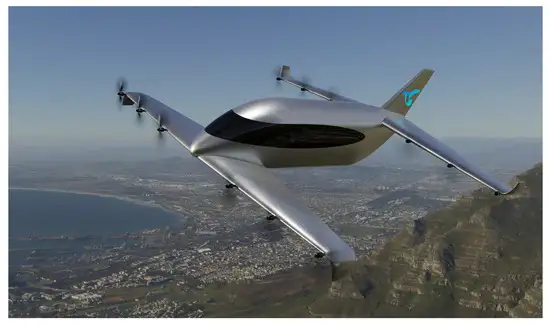
Several aerospace firms have successfully demonstrated SiC inverters through flight tests on hybrid aircraft, proving their value in real-world conditions. For more on these advanced power modules, refer to the detailed power conversion system solutions provided by industry leaders, which highlight the performance benefits and reliability of high-voltage SiC MOSFET modules in aerospace applications.
Technical Advantages and Performance Gains of High-Voltage SiC in Aerospace
High-voltage Silicon Carbide (SiC) power electronics bring significant performance improvements in aerospace power systems. Here’s a quick look at how SiC drives efficiency, size reduction, and reliability:
Efficiency Improvements
- Lower conduction losses and faster switching speeds of SiC devices reduce heat generation.
- This translates to smaller cooling systems and less weight dedicated to thermal management.
- Example: SiC MOSFETs like the 1200V SiC power MOSFETs operate with reduced switching losses, boosting overall converter efficiency.
Size and Weight Reduction
- Higher power density enables compact power modules.
- Power converters shrink in size, simplifying system design and cutting aircraft weight.
- This is crucial for electric aircraft and eVTOL platforms where every pound counts.
Reliability in Harsh Environments
- SiC devices tolerate extreme temperatures (200°C+), strong vibration, and high radiation levels.
- Advanced mitigation techniques are enhancing radiation tolerance, critical for space-adjacent aerospace applications.
- This reliability supports long-term operation in demanding aviation and defense environments.
System-Level Benefits
The combined advantages lead to:
| Parameter | Impact with SiC |
|---|---|
| Component Count | Reduced (simpler architectures) |
| Bus Voltage | Higher voltages attainable |
| Thermal Management | Reduced cooling size/weight |
| Overall Aircraft Efficiency | Increased due to less energy loss |
By integrating high-voltage SiC power modules, aerospace systems achieve streamlined, lighter, and more efficient architectures—making SiC indispensable for next-gen aircraft power systems.
For optimizing control and performance, pairing SiC devices with advanced gate driver cores can further enhance system reliability and switching performance.
Challenges and Solutions in Implementing High-Voltage SiC
Implementing high-voltage Silicon Carbide power electronics in aerospace isn’t without its challenges. One of the biggest hurdles is gate drive complexity, as SiC devices require precise voltage control to switch efficiently without damaging the device. Additionally, electromagnetic interference (EMI) can become more pronounced at the higher switching speeds typical of SiC MOSFETs, posing risks to sensitive avionics systems.
Packaging SiC modules to meet stringent aerospace qualification standards presents another significant challenge. The modules must handle harsh environments involving vibration, temperature extremes, and sometimes radiation exposure in space-adjacent applications. Speaking of radiation, radiation effects on high-voltage SiC power devices remain a concern, especially for deep-space or high-altitude missions, though advances continue in radiation-tolerant SiC semiconductors.
To overcome these challenges, the industry is focusing on advanced module designs that control EMI and improve thermal management. Robust testing protocols and adherence to industry standards for qualification help ensure reliability and performance under aerospace conditions. There’s also significant progress in power cycling data and lifetime modeling, which are key for predicting SiC module durability in demanding applications.
Recent generations of 1200V+ high-voltage SiC MOSFETs show improved performance and reliability, making them increasingly viable for aerospace power systems. Solutions like integrated gate drivers available from leading suppliers help simplify gate drive complexity and reduce development time, further accelerating SiC adoption in aviation power electronics. For example, exploring advanced gate driver designs, such as those in plug and play gate driver modules, can effectively address some integration challenges in high-voltage SiC systems.
The Future Outlook for High-Voltage SiC in Aerospace
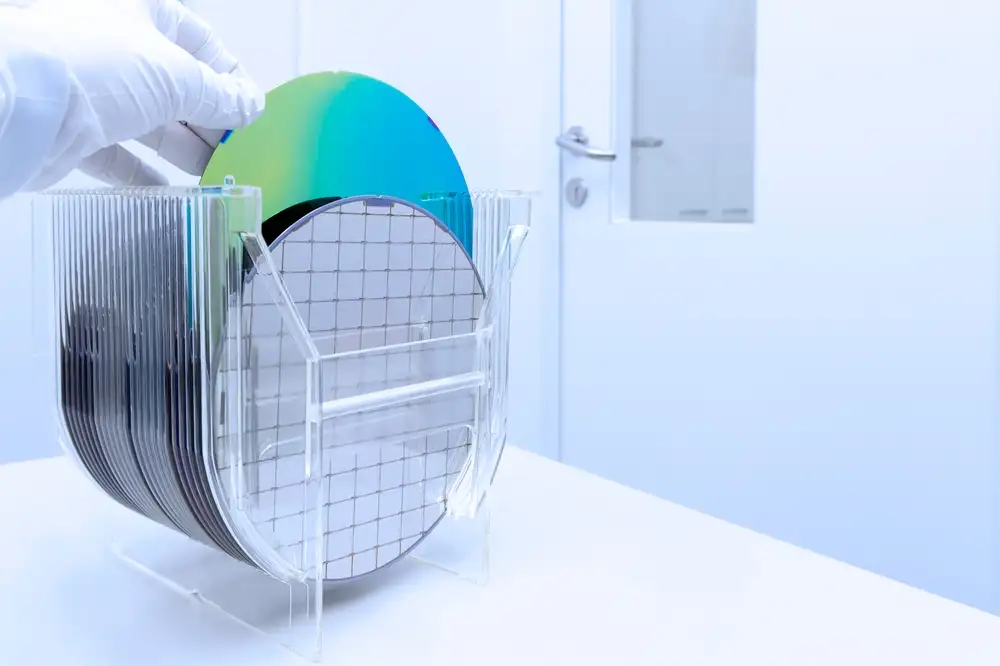
High-voltage SiC power electronics are set to play a major role in shaping the future of aerospace power systems. One clear trend is their growing integration in sustainable aviation fuels (SAF) hybrid platforms, full-electric regional aircraft, and urban air mobility solutions like eVTOLs. These applications demand efficient, lightweight, and high-temperature-tolerant power electronics, making SiC devices ideal.
Industry momentum is strong, with ongoing development of Gen-4 and Gen-5 SiC devices specializing in higher voltage ratings and enhanced reliability. Partnerships between aerospace firms and semiconductor manufacturers are accelerating certification pathways, crucial for wider adoption in safety-critical aerospace systems. The progress in radiation-tolerant SiC semiconductors also opens doors for space and defense electrification, where ruggedness under harsh conditions is a must.
Ultimately, high-voltage SiC technology supports the push toward net-zero aviation by cutting down energy consumption and emissions dramatically. This means lighter aircraft, longer missions, and cleaner skies—goals that resonate deeply within the US aerospace sector and its commitment to sustainable innovation.
For more on advanced SiC components critical to these developments, explore high-voltage SiC power modules like the 1700V 1200A high-voltage IGBT power module, which underpin efficient and durable aerospace power electronics.