
 EN
EN  DE
DE  ZH
ZH  ES
ES Semiconductor Power Module Application: Where These Devices Work Best
Discover how semiconductor power modules power EVs, industrial motor drives, and solar inverters. Learn IGBT vs SiC benefits, efficiency gains, and key applications.

Power conversion sits at the heart of modern electronics, and semiconductor power modules handle this job across countless devices I interact with daily. From electric vehicle drivetrains to solar inverters on rooftops, these compact packages transform electrical energy with speed and precision that discrete components can’t match.
What Makes Power Modules Different
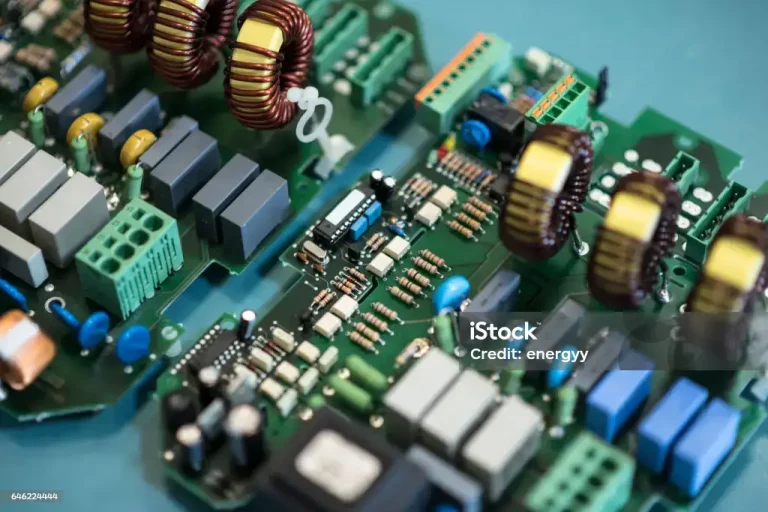
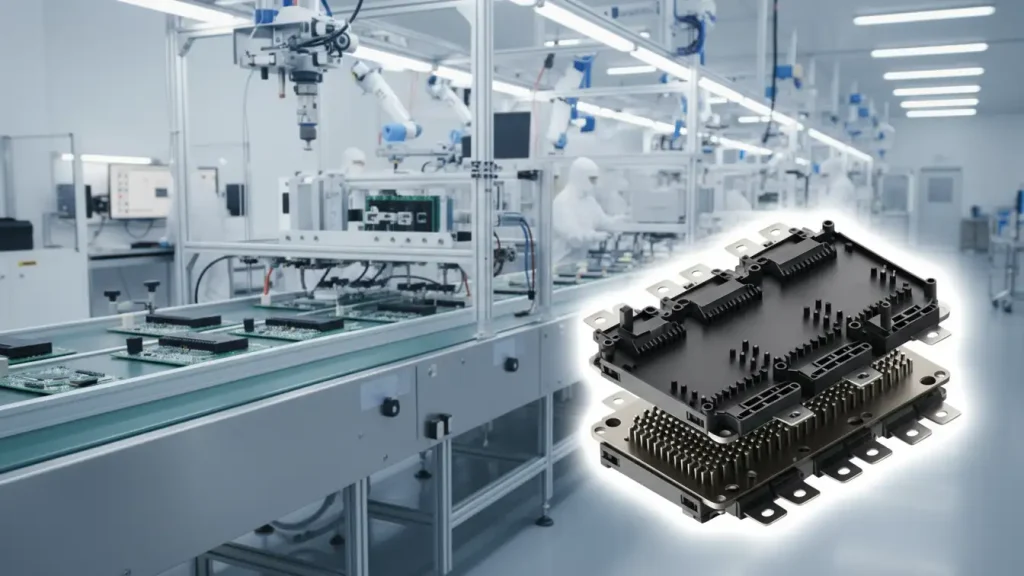
Semiconductor power modules bundle multiple power devices—like IGBTs, MOSFETs, or diodes—into a single unit with thermal management built in. Unlike individual components scattered across a circuit board, these packages solder or sinter the semiconductor dies onto substrates that manage both electrical connections and heat dissipation. The result? Higher power density and better reliability than you’d get assembling everything yourself.
The physical containment matters more than you might think. Power modules typically offer electrical isolation between the metal baseplate and semiconductor circuitry, meaning you can mount them directly to heatsinks without additional insulation layers. This simple change speeds up assembly and cuts down on thermal resistance.
Electric Vehicle Applications
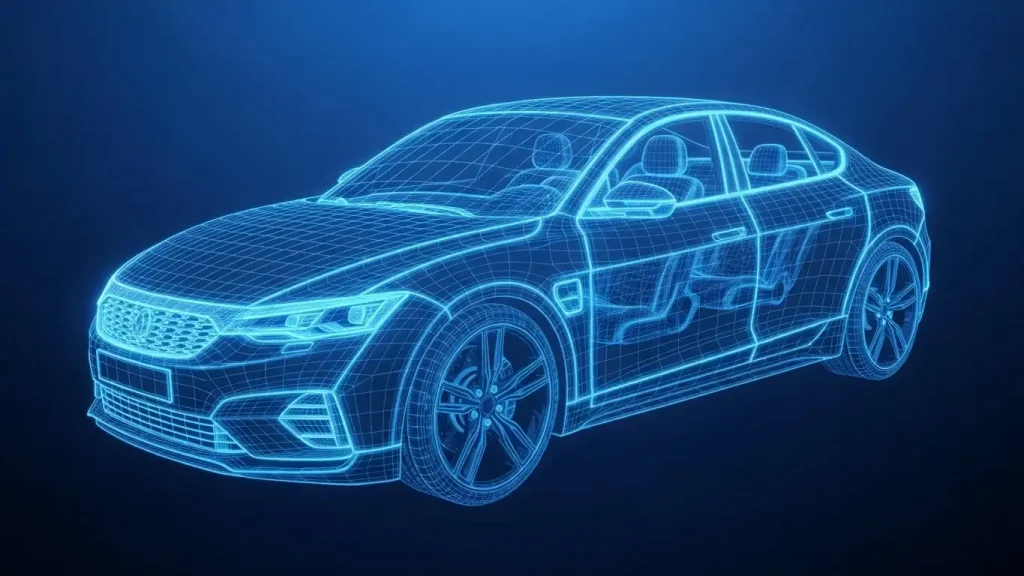
Modern electric vehicles rely on power modules to convert DC battery voltage into AC current that drives the motors. The traction inverter uses IGBT or SiC MOSFET modules to handle hundreds of amps while switching at frequencies up to 20 kHz. These modules also control motor speed, torque, and regenerative braking—making them critical to both performance and safety.
I’ve noticed automotive manufacturers increasingly favor SiC MOSFET modules over traditional silicon IGBTs. The reason comes down to efficiency gains. SiC modules operate at higher switching frequencies with lower losses, which translates to longer driving range and smaller cooling systems. Half-bridge and B6-bridge configurations dominate here, covering power classes from 30 kW to 250 kW.
Industrial Motor Drives
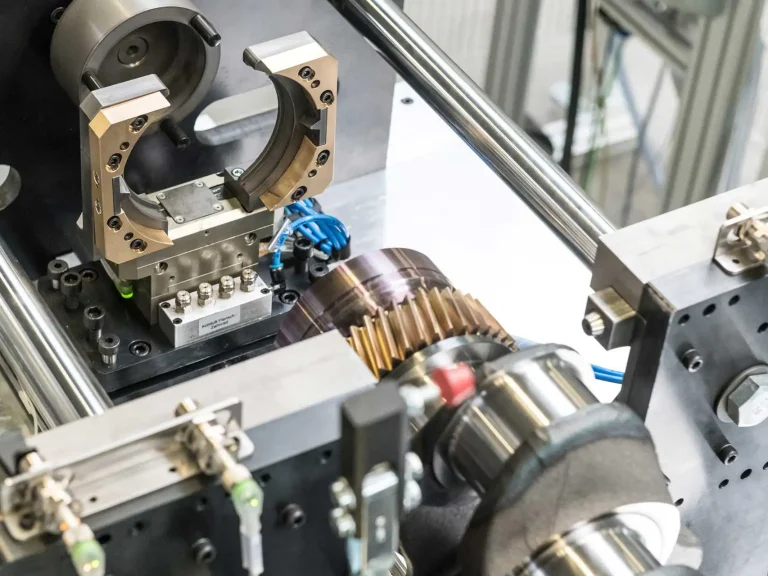
Factory floors run on three-phase motor drives, and power modules make those motors spin efficiently. Industrial automation demands precise speed control, which requires clean power conversion at frequencies matching the application. Lower-power applications might use 50W to 10kW modules, while heavy industrial equipment pushes into megawatt territory.
The modules here need to survive harsh conditions—temperature swings, vibration, electrical noise. That’s why industrial designs often integrate gate drivers and protection circuits right into the package. Full-bridge and six-pack topologies suit most industrial motor drive configurations, simplifying the overall system design.
Renewable Energy Systems
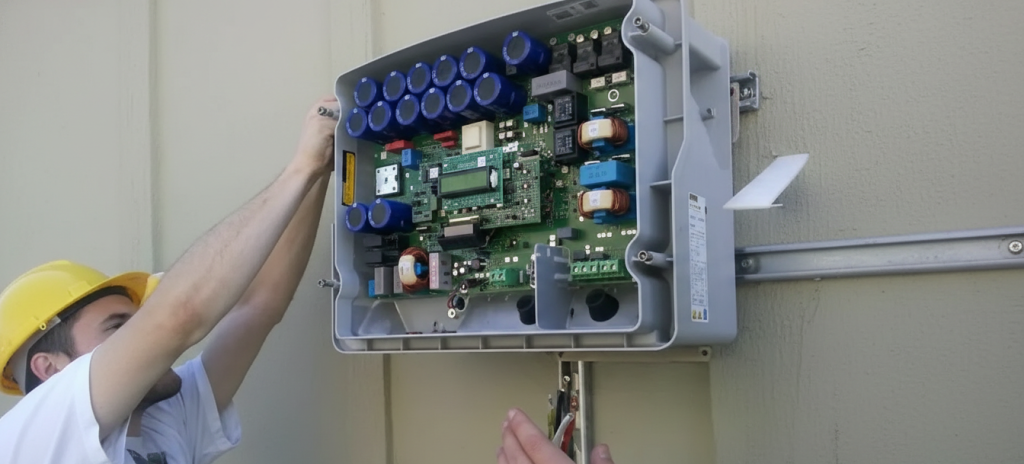
Solar inverters and wind turbine converters depend on power modules to transform generated DC into grid-compatible AC. The DC-AC conversion stage typically uses IGBT or SiC modules rated for 1200V operation, handling power levels from a few kilowatts to several megawatts. These systems prioritize efficiency since even a 1% improvement saves substantial energy over the equipment’s 20+ year lifespan.
Boost converters in solar installations use SiC MOSFET modules for the DC-DC stage, where high switching frequencies shrink the size of magnetic components. The same modules show up in battery energy storage systems and uninterruptible power supplies, where bidirectional power flow matters. Module manufacturers design these products to operate at frequencies above 100kHz, pushing efficiency beyond what silicon-based alternatives can achieve.

Choosing Between Technologies
Silicon IGBT modules still dominate high-current, medium-frequency applications where cost matters most. They handle currents well and switch fast enough for industrial motor drives and lower-voltage EV systems. But SiC MOSFET modules beat IGBTs when you need high switching frequency, lower losses, or operation above 150°C. The tradeoff? SiC costs more upfront, though prices keep dropping as manufacturing scales up.
Your specific voltage and current requirements drive the choice. MOSFETs work better below 600V, while IGBTs excel in the 600V-1700V range. Above 3kV, you’re looking at thyristor modules or specialized high-voltage IGBTs. The switching frequency requirement also guides selection—if you need 100kHz or faster, SiC becomes the practical choice.
Conclusion
Semiconductor power modules have moved beyond simple component packaging into sophisticated systems that define performance in electric vehicles, industrial automation, and renewable energy. The shift toward SiC technology continues accelerating, driven by demands for higher efficiency and power density. Whether you’re designing a 50W motor drive or a megawatt solar farm, understanding the application requirements helps you pick the right module technology and topology for the job.
FAQs
What industries use semiconductor power modules most?
Automotive leads the market, followed closely by industrial automation and renewable energy. Electric vehicle adoption drives significant growth, with power modules forming the core of traction inverters. Industrial sectors use them in motor drives, welding equipment, and HVAC systems, while solar and wind installations rely on them for power conversion.
How do IGBT and MOSFET power modules differ?
IGBTs handle high currents efficiently at moderate switching frequencies, making them ideal for 600V-1700V applications. MOSFETs switch faster with lower losses but traditionally worked better below 600V. SiC MOSFET modules now compete with IGBTs across many voltage ranges, offering superior efficiency at higher cost.
Why are SiC modules replacing silicon in some applications?
SiC modules deliver lower switching losses, operate at higher frequencies, and tolerate temperatures above 150°C. These advantages translate to longer EV driving range, smaller cooling systems, and higher efficiency in renewable energy converters. The technology costs more but saves money through improved system performance.
What power levels do typical modules handle?
Consumer electronics and small motor drives use modules rated 50W to 10kW. Industrial equipment spans 10kW to several hundred kilowatts. Large wind turbines and grid infrastructure push into the megawatt range. Voltage ratings typically fall between 600V and 1700V, with specialized modules reaching 3kV and beyond.
Do power modules need external cooling?
Most power modules require heatsinks or liquid cooling to dissipate heat generated during operation. The module’s metal baseplate transfers heat to the cooling system, while internal substrates spread heat from individual semiconductor dies. Proper thermal management directly affects module lifespan and performance.