
 EN
EN  DE
DE  ZH
ZH  ES
ES Modularity and Standardization Trends in Power Electronic Systems
Discover trends toward modularity and standardization in power electronic systems driving scalable efficient solutions for EVs renewables and industry.

Why Modularity and Standardization Are Gaining Momentum
The push toward modularity and standardization in power electronic systems is no accident. Growing demands from multiple sectors drive this shift, backed by clear economic and technical benefits, as well as sustainability goals.
Key Drivers
| Driver | Description |
|---|---|
| Electric Vehicles (EVs) | Scalable power needs require modular inverters and chargers that adapt to varied powertrains. |
| Grid Modernization | Distributed energy resources and smart grids rely on flexible, modular power electronics for seamless integration. |
| AI & Data Centers | High-density, scalable power supplies support dynamic loads and efficient cooling requirements. |
Economic Benefits
- Faster Design Cycles: Standardized modules reduce custom engineering, speeding product development.
- Lower Manufacturing Costs: Reusable components and volume production cut expenses.
- Simplified Supply Chains: Common parts ease sourcing and logistics, reducing risks and delays.
Technical Needs
Modern power electronics face stringent demands, making modularity essential:
- Wide-bandgap Semiconductor Integration (SiC/GaN) enables higher efficiency, requiring adaptable architectures.
- Advanced Thermal Management is critical for power density and reliability.
- Compact, High-Power Density Modules allow flexibility without sacrifice in performance.
Sustainability Impact
Modular, standardized design supports the circular economy by:
- Enabling repair and component upgrades rather than full replacements.
- Extending product lifecycles and reducing electronic waste.
At HIITIO, we understand that meeting these evolving requirements means embracing modular power converters and standardized power modules—providing scalable, efficient, and sustainable power electronics solutions tailored for the U.S. market’s future.
Core Benefits of Modular Power Electronic Systems
Modular power electronic systems bring several clear advantages, especially for U.S. manufacturers and integrators aiming for flexible, cost-effective designs.
Scalability and Flexibility
- Easily scale power capacity using series-parallel configurations like ISOP (In-Series on PCB) and ISOS (In-Series on Substrate).
- Adapt quickly to changing power demands without redesigning the whole system.
Reliability and Redundancy
- Fault isolation lets individual modules be replaced or repaired without shutting down the entire system.
- Hot-swappable modules ensure minimal downtime, critical for industries like data centers and electric vehicles.
Faster Time-to-Market & Cost Reduction
- Modular designs dramatically cut NRE (Non-Recurring Engineering) costs.
- OEMs benefit from reusing tested modules, accelerating development cycles, and lowering manufacturing expenses.
Interoperability Through Standardization
- Standardized interfaces promote cross-vendor compatibility.
- Modules from different suppliers can integrate seamlessly, reducing supply chain risks.
Maintenance and Lifecycle Improvements
- Modular systems simplify upgrades and repairs.
- Extending product life fits perfectly with sustainability goals, supporting a circular economy approach.
| Benefit | Description | Impact |
|---|---|---|
| Scalability & Flexibility | Series/parallel setups for adaptable power levels | Meets evolving system needs |
| Reliability & Redundancy | Fault isolation, hot-swapping | Less downtime, increased uptime |
| Time-to-Market | Modular reuse, less engineering effort | Faster launches, lower costs |
| Interoperability | Standardized module interfaces | Vendor flexibility, simpler sourcing |
| Maintenance & Upgrades | Easy module swaps, lifecycle management | Longer service life, sustainable |
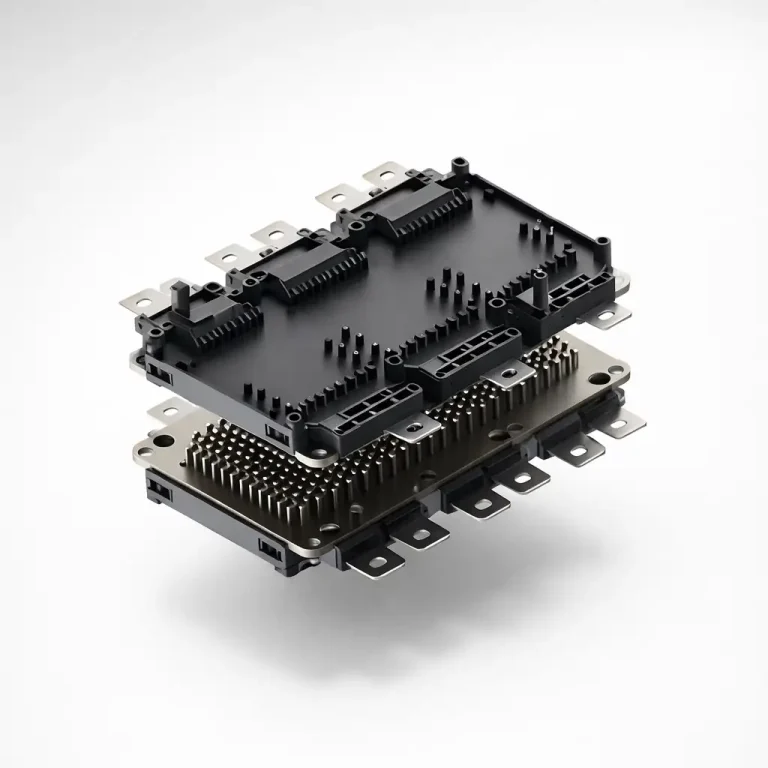
A good example are high-performance modules like the 3300V 450A High Voltage IGBT Power Module, which combine modular design with standardized interfaces, helping U.S. companies build scalable and reliable power systems faster.
Current Industry Trends and Developments
The power electronics industry is rapidly shifting towards integrated power electronics modules (IPEMs) and system-in-package designs that combine semiconductors, gate drivers, and protection circuits into compact, high-density solutions. These integrated approaches enable more efficient, reliable, and scalable power conversion systems tailored for modular applications.
Alongside integration, plug-and-play, configurable power supplies are gaining traction among OEMs. These solutions simplify design and accelerate time-to-market by allowing easy customization without deep system redesigns, making them perfect for diverse sectors like EVs and renewable energy.
Standardization efforts are also shaping the market, especially in power buses and communication protocols used across electric vehicles, grid-tied renewables, and aerospace. This push helps ensure interoperability and future-proofing as systems increasingly rely on scalable modular architectures.
For example, integrated modules such as those combining power semiconductors with gate drivers, similar to offerings from leaders like HIITIO, showcase how these trends converge to meet evolving industry requirements. Explore how integrated power modules with gate drivers optimize modular power electronics for today’s demanding applications.
Applications Driving the Trend
Modularity and standardization in power electronic systems are transforming multiple industries across the U.S. market. In electric vehicles (EVs), modular inverters and traction chargers allow scalable powertrain designs that adapt to different vehicle sizes and performance needs, making upgrades and repairs easier. For renewable energy, scalable inverters and storage interfaces support solar and wind installations, enabling flexible integration into microgrids and utility-scale setups.
The industrial and grid sectors benefit from modular drives, uninterruptible power supplies (UPS), and distributed energy resources that improve system reliability and simplify maintenance. Emerging industries like data centers and AI infrastructure require resilient modular power to handle fluctuating loads and ensure uptime. Additionally, marine and avionics applications are adopting standardized, rugged modular power architectures that withstand harsh environments while offering easy serviceability.

These applications demand solutions like high-density and scalable power modules that can be configured in various series-parallel setups for efficiency and flexibility. For example, HIITIO’s ED3 1200V 900A SiC power module is optimized for modular inverter designs in EV and renewable energy sectors, supporting the industry’s push toward reliable, interoperable, and efficient power electronics.
Challenges and Considerations in Implementation
Implementing modular power electronic systems comes with some real challenges. First off, striking the right balance between standardization and customization is tough. While standardized power modules simplify design and interoperability, many applications still require tailored solutions to meet specific performance or space needs.
Thermal management, EMI (electromagnetic interference), and control complexities also grow in multi-module configurations. As you stack or connect modules in series and parallel, voltage and current sharing must be carefully designed to avoid uneven loads or failures. Protective measures like reliable fault detection and isolation become critical to keep systems safe and resilient.
Supply chain and cross-vendor compatibility can pose hurdles too. Even with standardized interfaces, differences in module designs or materials may impact long-term sourcing and maintenance. Ensuring consistent quality across suppliers is key to reducing downtime and keeping costs down.
Addressing these challenges requires thoughtful system architecture, robust component selection—such as highly reliable IGBTs like the 1000V 400A Easy 3B IGBT power module—and close collaboration between OEMs and suppliers. Doing so helps unlock the full benefits of modular power converters while keeping complexity in check.
The Role of Advanced Power Modules in Enabling These Trends
Advanced power modules are at the heart of the shift toward modularity and standardization in power electronic systems. Semiconductor manufacturers like HIITIO are leading the way by offering high-reliability, standardized modules that meet the demands of scalable power systems in electric vehicles, renewable energy, and industrial applications. These modules simplify integration while boosting efficiency and power density through innovative designs.
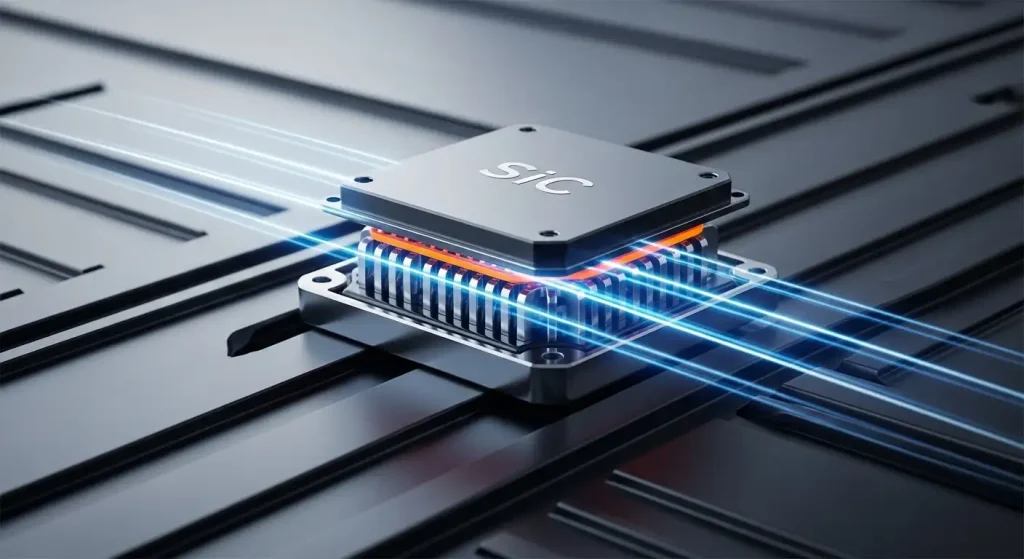
EXPLORE MORE HIITIO POWER MODULE
HIITIO’s expertise shines in producing power modules optimized for modularity and seamless system integration. Their products, such as high-performance Silicon Carbide (SiC) MOSFET modules and robust IGBT modules, deliver consistent thermal management and reliable operation, critical for multi-module configurations in series or parallel setups. This not only improves power electronics integration but also supports scalable architectures essential for powertrain modularity and grid modernization.
Adopting HIITIO’s scalable power module solutions offers clear benefits like reduced design complexity, enhanced interoperability, and faster time-to-market. For example, their L200V-13Mω Silicon Carbide MOSFET power module enables high-efficiency, compact designs ideal for EV inverters and renewable energy converters. Additionally, options like the Econo Dual 3H 1200V 600A IGBT power module highlight flexibility for industrial drives and UPS systems demanding standardization and durability.
Overall, advanced, standardized power modules from HIITIO empower manufacturers to build modular power electronic systems that meet evolving industry needs while supporting sustainability and the circular economy.
Future Outlook and Predictions
The future of power electronic systems is clearly moving toward what many call Power Electronics 2.0 — smart, multi-cell architectures that bring intelligence and flexibility to modular power converters. These advanced designs will allow for greater scalability and adaptability, meeting diverse power demands across industries from EV powertrains to renewable energy inverters.
We can also expect a much wider adoption of wide-bandgap semiconductors like silicon carbide (SiC) and gallium nitride (GaN) in modular formats. These materials offer significantly higher efficiency and power density, enabling smaller, cooler, and more reliable standardized power modules that fit perfectly into scalable power systems. HIITIO’s lineup of 1200V 42A silicon carbide Schottky diodes highlights this trend by providing components optimized for these modular architectures.
Another major trend will be the push toward fully standardized ecosystems, which helps reduce market fragmentation and fosters interoperability. Standard interfaces, power buses, and communication protocols will make it easier for OEM