
 EN
EN  DE
DE  ZH
ZH  ES
ES How Power Density Is Revolutionizing Next-Gen Inverter Design Efficiency
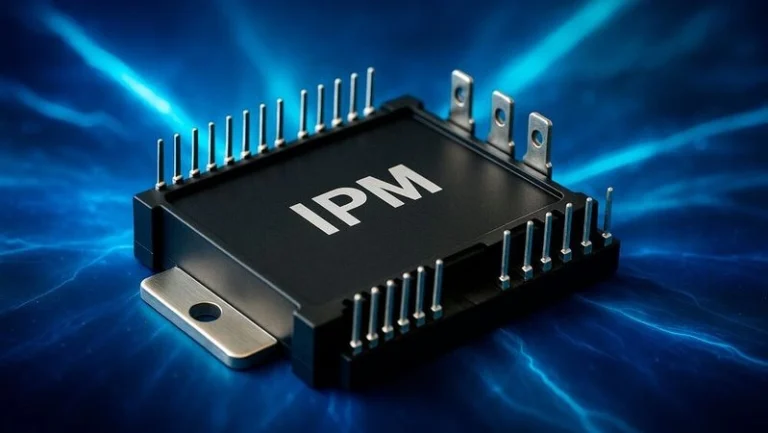
Explore how high power density and wide-bandgap semiconductors revolutionize next-generation inverter design for EVs and renewables.

Why Power Density Matters in Modern Inverter Applications
Power density is a game-changer in the design of modern inverters, especially as industries demand smaller, lighter, and more efficient systems without sacrificing performance. Traditional inverters have long been bulky and heavy, limiting their integration and raising costs across various applications. Next-generation inverters, however, deliver significant size and weight reductions—often shrinking volume while boosting power output. This shift not only saves space but also unlocks important system-level benefits.
For example, in electric vehicles (EVs), higher power density inverters directly contribute to longer driving ranges by reducing inverter weight and improving efficiency. In renewable energy setups, compact, high-power-density inverters lower installation and maintenance costs, making solar and wind systems more affordable and scalable. Industrial applications gain valuable floor space, enabling more flexible factory layouts and reducing thermal management needs. Even in military and aerospace sectors, where space and weight are critical, advanced inverter miniaturization is pivotal to system reliability and performance.
The impact is quantifiable. The U.S. Department of Energy (DOE) targets inverter power densities around 100 kW per liter, a milestone that next-generation designs are rapidly approaching or exceeding. Real-world implementations already demonstrate 2 to 4 times improvements over older silicon-based models, thanks in part to advances in power module integration and wide bandgap semiconductors like silicon carbide (SiC) and gallium nitride (GaN). These high-power density inverters help industries push the envelope on size, efficiency, and overall system capabilities—making them essential in today’s evolving power electronics landscape.
Core Technologies Driving Higher Power Density
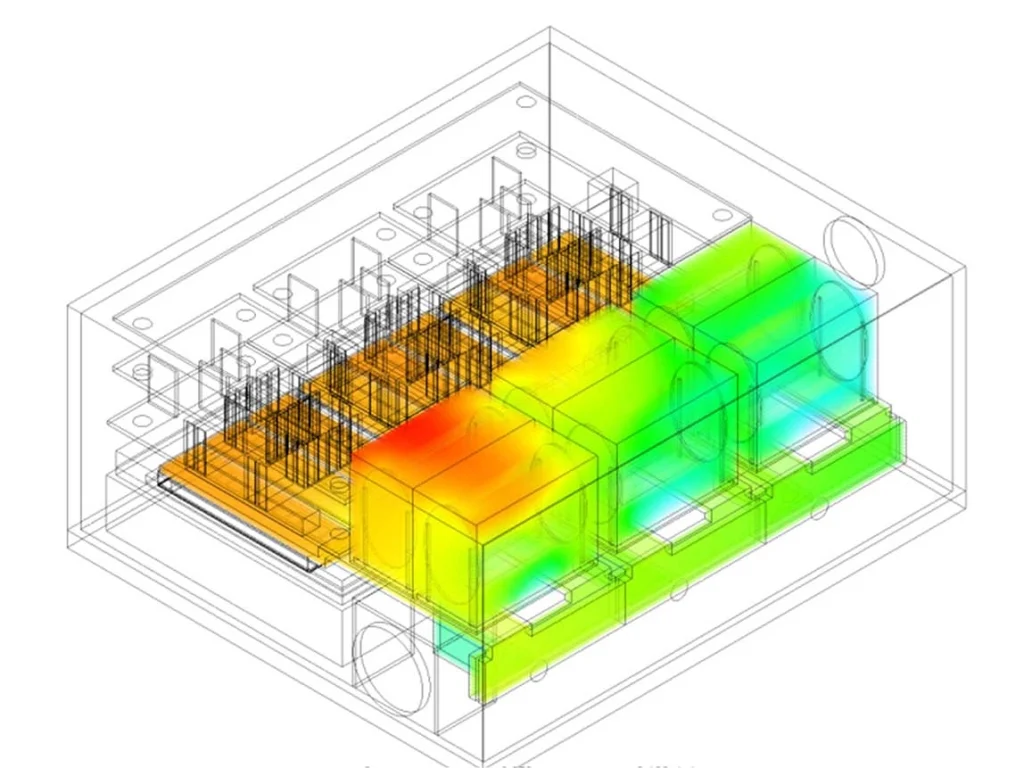
Next-generation inverters owe much of their improved power density to advances in wide-bandgap semiconductors like silicon carbide (SiC) and gallium nitride (GaN). These materials support higher switching frequencies and operate with significantly lower losses, enabling devices to withstand junction temperatures above 200°C without performance drops. This means inverters can run faster and hotter in smaller packages without sacrificing reliability.
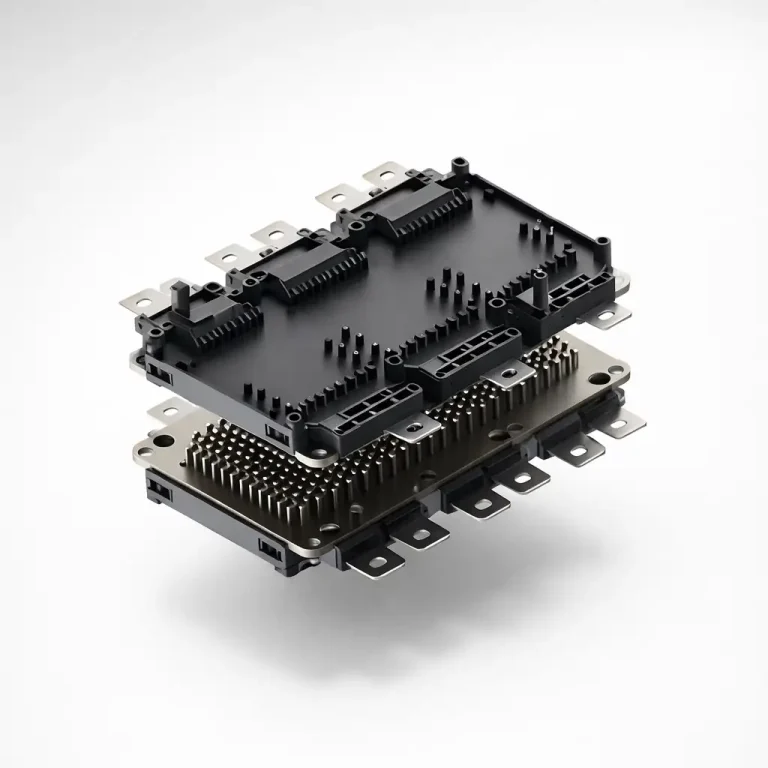
On the hardware front, advanced power module designs play a vital role. Features like low-inductance layouts and direct-bonded substrates reduce parasitic effects, while integrated cooling solutions and planarized structures help manage heat efficiently within a compact footprint. Such innovations shrink inverter volume while boosting thermal performance.
Operating at higher switching frequencies also helps reduce the size of passive components like inductors and capacitors, which further trims overall system size and weight. This miniaturization is crucial for applications demanding high power density in dense spaces.
Finally, new inverter topologies and architectures—including multilevel converters, segmented capacitors, and 800V+ high-voltage platforms—unlock additional gains. Hybrid and modular designs offer flexible paths to combining efficiency, power density, and scalability across various use cases.
For example, HIITIO’s portfolio includes advanced SiC power modules engineered for low thermal resistance and high-density inverter integration, such as their E4-1200V 300A SiC power module, which exemplifies these core technology benefits.
Critical Design Challenges and Solutions in High Power Density Inverters
Designing next-gen inverters with high power density brings several critical challenges that must be carefully managed to deliver reliable, efficient, and scalable solutions.
Thermal Management
As power density climbs, keeping components cool in a smaller footprint gets tougher. Modern inverters use advanced liquid cooling, embedded cooling channels, and top-side cooled packages to handle heat effectively without bulky heatsinks. These approaches enable compact inverter modules to maintain performance at elevated junction temperatures, essential for silicon carbide (SiC) and gallium nitride (GaN) semiconductors.
Efficiency vs. Density Trade-offs
Pushing density means switching faster and packing components closer, but that can spike switching losses and electromagnetic interference (EMI). Designers carefully balance gate driving methods, switching frequencies, and filtering to minimize losses while maximizing power density. This balance is crucial for maintaining inverter efficiency improvements in compact SiC inverters.
Reliability and Packaging
High power density means stress on insulation, parasitic inductance, and thermal cycling increases. Innovations focus on reducing parasitic elements through optimized layouts and improved insulation materials to boost stability under harsh conditions. Robust packaging ensures inverters stand up to high voltages and temperatures while improving lifetime and reducing failure.
Cost and Scalability
Modular power modules are key to scalable, cost-effective high-density designs. These modules allow flexible configurations without excess complexity, supporting various voltage levels and power ratings. HIITIO’s semiconductor power modules, for example, combine optimized SiC modules with low thermal resistance and integrated cooling to tackle these challenges head-on, making it easier to deploy compact inverter solutions across electric vehicles and renewable energy markets. You can find more about their innovative SiC power modules in EVs, as well as their approach to hybrid SiC-IGBT modules for industrial drives for scalable, reliable inverter designs.
Addressing these design challenges effectively drives the next wave of inverter miniaturization while delivering superior efficiency and reliability at scale.
HIITIO’s Contributions to Next-Generation Inverter Design
HIITIO stands out in advancing high power density inverters with its semiconductor power modules optimized specifically for compact, efficient performance. Their solutions are built around advanced silicon carbide (SiC) technology, driving lower thermal resistance and enabling inverters that fit smaller spaces without sacrificing power output.
Key Features of HIITIO Power Modules:
- Advanced SiC modules for high switching frequency and reduced losses
- Low thermal resistance designs to boost reliability and efficiency
- Integrated solutions tailored for electric vehicle (EV) traction inverter and renewable energy inverters
- Compact power module integration supporting system miniaturization and improved power density
Performance Highlights:
| Metric | Typical Result |
|---|---|
| Power Density (kW/L) | 2-4x improvement |
Future Trends and Outlook for High Power Density Inverters
The next wave in high power density inverters is all about smarter, more versatile designs. We’re seeing rapid adoption of e-axle integration, which combines motors, inverters, and gearboxes into a single compact unit, boosting EV efficiency and saving space. Bidirectional and hybrid inverters are also gaining traction, allowing seamless power flow for vehicle-to-grid applications and renewable setups. On top of that, grid-forming capabilities are emerging, enabling inverters to support and stabilize microgrids with higher voltage platforms beyond 800V, becoming standard in both EV traction inverter design and industrial applications.
EXPLORE MORE HIITIO POWER MODULE
Looking ahead, power density is set to smash current limits. Innovations like AI-driven optimization will fine-tune switching frequencies and thermal management for peak performance with minimal size. We’ll also see a bigger push towards sustainability, with greener manufacturing methods and longer inverter lifespans reducing overall environmental impact.
Industry forecasts are clear: demand for compact inverter modules and advanced wide bandgap semiconductors like silicon carbide (SiC) and gallium nitride (GaN) will be driven heavily by the exploding EV market, renewables, and energy storage sectors. This growth means next-gen power electronics will keep improving inverter efficiency and shrinking footprints, all while supporting tougher applications and scalability.
By embracing these emerging trends, manufacturers are prepping the path for truly transformational inverter designs that meet America’s shifting energy needs and space-conscious engineering goals.