
 EN
EN  DE
DE  ZH
ZH  ES
ES Global Supply Chain Challenges for SiC Components in 2026
Explore key global supply chain challenges for SiC components in 2026 including supply risks, capacity, quality, and geopolitical impacts.

Current State of the Global SiC Supply Chain in 2026
In 2026, the global silicon carbide (SiC) supply chain remains complex but more balanced than in previous years. The supply chain breaks down into several key segments:
- Substrates: The foundation of SiC device manufacturing, where wafers are sliced from large SiC crystals.
- Epitaxial wafers: Layers grown on substrates to create high-quality base material for devices.
- Device fabrication: Processing the epitaxial wafers into power devices like MOSFETs and diodes.
- Packaging: Final assembly and packaging of SiC devices for automotive, industrial, and renewable energy markets.
Major industry players are distributed across regional hubs:
- China has expanded aggressively, particularly in epitaxial growth and device fabrication, driving volume but facing quality and yield challenges.
- The U.S. and Europe focus on advanced device innovation and packaging technologies, benefiting from established automotive and industrial partnerships.
- Japan and Korea maintain strong positions in substrate production and high-precision epitaxial processes, sustaining technological leadership.
A key trend last year shifted the market from chronic SiC wafer shortages toward selective overcapacity in upstream segments like substrates and epitaxial wafer growth. This has eased some supply bottlenecks but introduced new challenges in utilization rates and cost efficiencies. Manufacturers are adapting by balancing volume expansion with quality control, anticipating strong demand from EV power semiconductors and other wide bandgap applications.
Overall, the 2026 SiC supply chain is evolving, moving beyond the initial shortage phase but still managing capacity imbalances and regional supply dynamics tightly linked to geopolitical and market demands.
Primary Supply Chain Challenges in SiC Components for 2026
The silicon carbide supply chain in 2026 faces several critical challenges that are reshaping the landscape. First, there are capacity imbalances and uneven utilization rates across key segments, especially in substrates and device processing. Some upstream facilities report selective overcapacity, while downstream device fabrication still struggles to keep pace with soaring demand.
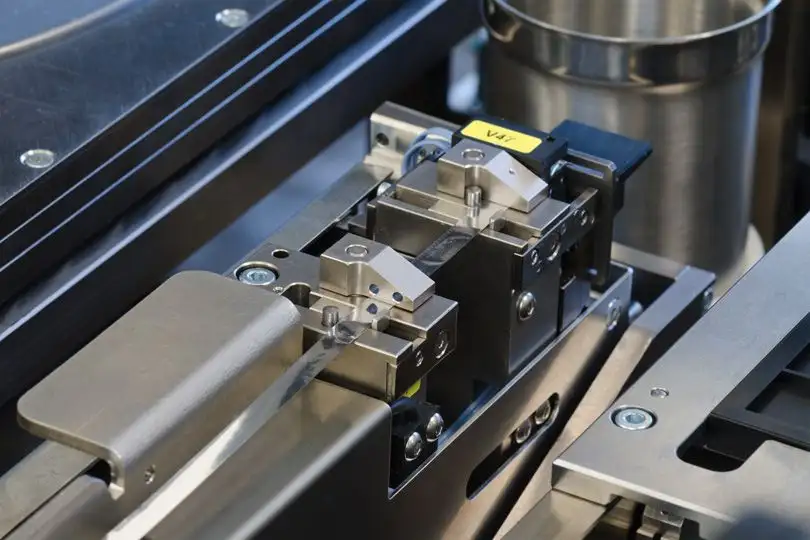
A major transition is underway with the shift to 200mm SiC wafer production. While larger wafers promise lower costs per unit, the industry is grappling with significant technical hurdles in yield and equipment compatibility. This transition impacts the cost structure and slows capacity ramp-up, limiting quick relief from previous supply shortages.
Raw material constraints continue to bite. Securing high-purity silicon and carbon sources, along with specialized seed crystals essential for epitaxial growth, remains a bottleneck. Additionally, rising energy costs put further pressure on production economics, especially in energy-intensive processes like crystal growth.
Yield and quality issues persist, mainly due to crystal defects that affect device reliability. These problems are particularly critical for automotive EV power semiconductors, where stringent qualification standards demand near-perfect consistency. Manufacturers must invest heavily in process improvements to meet these requirements.
Geopolitical risks like tariffs, export controls, and regional protectionism exacerbate supply chain fragility. Policies restrict materials and technology flow between major regions such as China, the U.S., Europe, Japan, and Korea, causing procurement uncertainty.
Finally, the demand-supply mismatch remains stark. EV adoption, renewable energy projects, and emerging data center power modules are pushing SiC device demand beyond the current supply capabilities, leading to longer lead times and higher prices.
Addressing these challenges requires a clear understanding of the silicon carbide wafer shortages and device yield problems, ensuring suppliers and buyers navigate this complex environment effectively. For instance, exploring advanced power modules like HIITIO’s ED3H 1200V 600A SiC power module can help meet performance needs while managing supply risks.
Regional and Sector-Specific Impacts
In 2026, the silicon carbide supply chain is feeling distinct pressure across regions and sectors, especially in automotive, renewable energy, and industrial markets.
Automotive Sector Challenges
The automotive industry faces ongoing lead time issues as carmakers shift from traditional silicon and IGBT components to SiC power semiconductors for EVs. This transition pushes demand for high-quality SiC devices, but capacity bottlenecks and yield problems slow design migration. Managing supply chain risks here means addressing both production ramp-up and qualification hurdles for automotive-grade SiC MOSFETs and modules, such as those used in efficient EV powertrain systems.
Renewable Energy & Industrial Risks
Grid-scale inverter availability for renewables shows vulnerability too, with potential power module supply disruptions delaying solar and wind integration. The industrial sector, reliant on robust SiC devices for high-voltage inverters, sees risks due to fluctuating wafer quality and regional capacity imbalances.
Geographic Variations
Asia continues to dominate in volume, especially China, Japan, and Korea, driving much of the global supply. The U.S. and Europe maintain resilience by focusing on advanced device design and process innovation, even as they face geopolitical and trade challenges. This split creates a regional patchwork where localized sourcing and multi-regional strategies become essential.
For example, Hiitio’s 1700V 9A silicon carbide Schottky diodes and similar high-performance modules demonstrate how suppliers in advanced markets are catering to Western needs for reliable, automotive-grade SiC components, helping to smooth over some supply chain frictions.
Overall, understanding these regional and sector-specific impacts is crucial for navigating the 2026 SiC component market effectively.
Strategies to Mitigate Global SiC Supply Chain Risks in 2026
To tackle the ongoing global silicon carbide supply chain challenges in 2026, companies need a multi-pronged strategy focused on resilience and flexibility.
- Diversification: Relying on multiple suppliers across different regions helps reduce risk. Regional localization of supply chains limits exposure to geopolitical disruptions and trade restrictions. Strategic partnerships, especially with key players in China, the U.S., Europe, and Japan/Korea, create more stable supply channels.
- Long-term Contracts: Securing capacity through long-term agreements and reservations minimizes surprises caused by volatile demand spikes, particularly from EV power semiconductor sectors. This approach balances out capacity imbalances and ensures more predictable wafer and device availability.
- Yield and Process Optimizations: Collaborating closely with suppliers to improve yield rates and address crystal defects is critical. Investing in process innovation around 200mm SiC wafer production not only improves quality but also mitigates cost challenges linked to larger wafer sizes.
- Inventory and Material Alternatives: Proactive inventory management helps buffer against short-term supply shocks. Exploring alternative silicon carbide raw materials and epitaxial growth techniques builds redundancy and reduces dependence on constrained inputs like seed crystals and carbon sources.
This holistic approach strengthens the supply chain against capacity imbalances, quality issues, and geopolitical risks seen throughout 2026. Manufacturers and users alike benefit by ensuring steady access to SiC components necessary for power module reliability and high performance, as exemplified in products like HIITIO’s high-voltage IGBT power modules.
Outlook Beyond 2026: Growth and Innovation in SiC Components
Looking past 2026, the silicon carbide supply chain is expected to recover steadily after recent market corrections. A key driver will be the broader adoption of 8-inch (200mm) SiC wafer platforms, which promise lower costs and higher volume production to meet growing demand. This shift will support more advanced device types, improving power module performance and efficiency.

The SiC device market is forecast to approach $10 billion by 2030, fueled by expanding applications in electric vehicles (EVs), renewable energy, and data centers. Manufacturers like HIITIO are well-positioned to capitalize on this growth with their reliable, high-performance power modules, such as the 1700V silicon carbide Schottky diodes and advanced IGBT power modules that meet evolving industry needs.
Key to success beyond 2026 will be continued innovation in yield optimization and integration of wide bandgap materials, ensuring a stable supply amid geopolitical and supply chain risks. Strategic capacity expansion and partnerships will also play crucial roles in staying ahead in the competitive SiC semiconductor market.